

A retaining wall can solve several important problems around a property. It can hold back soil, reduce erosion, improve drainage, create usable outdoor space, and make a sloped yard easier to manage. But before starting the project, homeowners often face one major question: which retaining wall material is best?
Concrete, wood, natural stone, and concrete block are among the most common choices. Each has advantages, limitations, and ideal use cases. The right option depends on your budget, property layout, soil conditions, design goals, and how long you want the wall to last.
This guide compares the most popular retaining wall materials so you can make a more confident decision before hiring a contractor.
What Makes a Good Retaining Wall?
A retaining wall is not just a decorative border. It must resist soil pressure, manage water, and remain stable through seasonal changes. In areas with rain, snow, freezing temperatures, and shifting soil, poor wall design can lead to leaning, cracking, bulging, or collapse.
A good retaining wall should have:
- A stable base or footing
- Proper drainage behind the wall
- Suitable material strength
- Correct wall height and thickness
- Reinforcement when needed
- Professional grading and backfill
- A design that matches the property
The best material is the one that balances appearance, durability, cost, and structural performance for your specific site.
Concrete Retaining Walls
Concrete is one of the strongest retaining wall materials available. It can be poured in place or built using precast systems, depending on the project. Homeowners often choose concrete when they need a long-lasting wall that can handle heavier soil pressure or more demanding site conditions.
Benefits of Concrete
Concrete offers excellent strength and design flexibility. It can be built in clean, modern lines or finished with textures and colors to better match the property. When properly installed, it can last for decades with relatively low maintenance.
Concrete is also a strong choice for properties with steep slopes, driveways, patios, or areas where soil movement is a concern. Because it can be reinforced, it is often preferred for walls that need more structural support.
For homeowners planning a concrete retaining wall in Morris County NJ, concrete can be especially useful on sloped properties, larger yards, and areas where long-term stability is a priority.
Drawbacks of Concrete
Concrete usually costs more upfront than wood. It also requires skilled installation, proper drainage, and careful planning. If it is not designed correctly, cracks or drainage problems can still occur. However, when installed by an experienced contractor, it is one of the most reliable options for long-term performance.
Wood Retaining Walls
Wood retaining walls are often chosen for their natural appearance and lower initial cost. They can work well for small garden walls, light landscaping projects, and short-term improvements.
Benefits of Wood
Wood has a warm, rustic look that blends well with gardens, lawns, and wooded properties. It is also easier to cut and shape than concrete or stone, which can make it suitable for simple landscape designs.
For smaller walls, wood may be more affordable at the beginning. It can be a practical choice if the wall is low, decorative, and not expected to support a major load.
Drawbacks of Wood
The biggest disadvantage of wood is lifespan. Even pressure-treated lumber can eventually rot, warp, attract insects, or weaken from moisture exposure. Drainage issues can shorten its life even more.
Wood is usually not the best choice for tall walls, heavy soil pressure, or areas where long-term durability is the main goal. It may save money upfront but require replacement sooner than other materials.
Natural Stone Retaining Walls
Natural stone is popular for its timeless appearance. It gives a landscape a high-end, organic look that can be difficult to match with manufactured materials.
Benefits of Stone
Stone walls are attractive, durable, and unique. No two stone walls look exactly the same. They work especially well for traditional homes, garden landscapes, and properties where natural beauty is a priority.
A well-built stone wall can last many years. Stone also handles weather exposure well and does not rot like wood.
Drawbacks of Stone
Natural stone can be expensive because of material costs and labor. Building a strong stone wall requires skill, especially if the stones are irregular in shape. Drainage and proper base preparation are still essential.
Stone may not always be the most efficient choice for taller structural walls unless it is engineered correctly. It is beautiful, but it is not automatically the best option for every site.
Concrete Block Retaining Walls
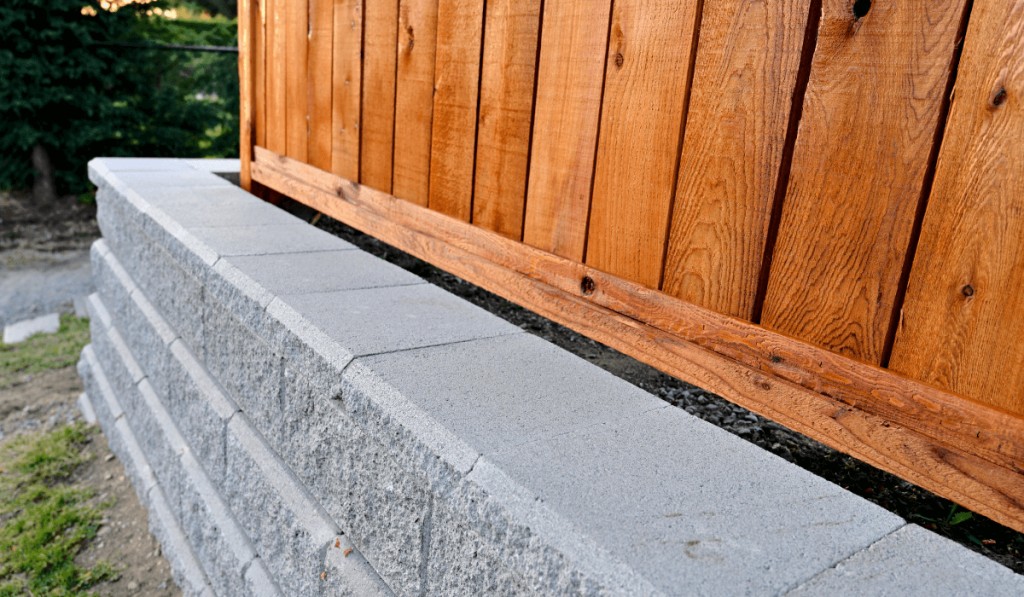
Concrete block walls are different from poured concrete walls. They are built using manufactured blocks that interlock or stack together. These blocks are common in residential landscaping and can provide a clean, organized appearance.
Benefits of Block
Concrete blocks are versatile, widely available, and often faster to install than natural stone. Many block systems are designed with interlocking features, which can improve stability when installed properly.
Block walls can be attractive and functional for garden beds, yard terraces, walkways, and moderate slopes. They also come in different colors, shapes, and textures, giving homeowners more design options.
Drawbacks of Block
Block walls still need a proper base, backfill, drainage, and alignment. If the base is uneven or water builds up behind the wall, the blocks can shift, lean, or separate.
For taller or more complex walls, engineering may be required. Block can be an excellent choice, but it should not be treated as a simple do-it-yourself project when soil pressure is significant.
Cost Comparison: Which Material Is Most Affordable?
Wood is usually the most affordable upfront, especially for small walls. Concrete block may fall in the middle range, depending on the block style and wall height. Poured concrete and natural stone often cost more because they require more labor, preparation, or specialized skill.
However, upfront cost is only part of the decision. A cheaper wall that needs replacement in 10 to 15 years may not be the best value. A stronger wall with better drainage and longer service life can be more cost-effective over time.
When comparing estimates, ask whether the price includes excavation, base preparation, drainage, reinforcement, backfill, cleanup, and finishing. A low estimate may leave out important items that affect the wall’s performance.
Lifespan and Maintenance
Concrete and stone generally offer the longest lifespan when installed correctly. Concrete block can also last many years with proper construction and drainage. Wood usually has the shortest lifespan because it is more vulnerable to moisture, insects, and decay.
Maintenance needs vary by material:
- Concrete:Check for cracks, drainage issues, or movement
- Wood:Watch for rot, warping, insect damage, and loose boards
- Stone:Inspect for shifting stones, loose joints, or drainage problems
- Block:Look for leaning, separation, settling, or clogged drainage
No retaining wall is completely maintenance-free, but stronger materials and better installation usually reduce long-term problems.
Appearance and Curb Appeal
The best-looking wall depends on the style of your home and yard. Concrete works well with modern, clean designs. Wood feels natural and rustic. Stone creates a classic, upscale appearance. Block offers a neat, structured look with many design choices.
For homeowners considering a concrete retaining wall in Passaic County NJ, the final appearance should be planned alongside function. A retaining wall may sit near a driveway, sidewalk, patio, garden, or front yard, so it should complement the rest of the property.
Which Retaining Wall Material Is Best?
There is no single best material for every home. The right choice depends on the purpose of the wall.
Choose concrete if you want strength, long-term durability, and structural reliability.
Choose wood if the wall is small, decorative, and budget is the main concern.
Choose natural stone if appearance and traditional landscape character are top priorities.
Choose concrete block if you want a balance of design options, durability, and efficient installation for moderate wall projects.
For walls that support heavy soil, protect property features, or manage a steep slope, concrete is often the strongest long-term option. For purely decorative or low garden walls, other materials may also work well.
Questions to Ask Before Building
Before choosing a material, homeowners should ask:
- How tall does the wall need to be?
- Is the wall decorative or structural?
- What kind of soil is on the property?
- Will water collect behind the wall?
- Does the area need drainage correction?
- Will the wall support a driveway, patio, or slope?
- What style best matches the home?
- What is the expected lifespan of the material?
- Are permits or engineering required?
These questions help narrow the options and prevent expensive mistakes.
A Smart Way to Plan Your Project
The best retaining wall is one that solves the property’s problem, fits the design of the home, and performs well for years. Material choice matters, but installation quality matters just as much. A beautiful wall can fail if the base is weak, drainage is missing, or the structure is not designed for the soil pressure behind it.
If you are unsure which material is right for your property, start with a professional site evaluation. An experienced contractor can review the slope, soil, drainage, access, and design goals before recommending the best wall type.
A well-planned retaining wall can protect your landscape, improve outdoor space, and add lasting value to your home.