


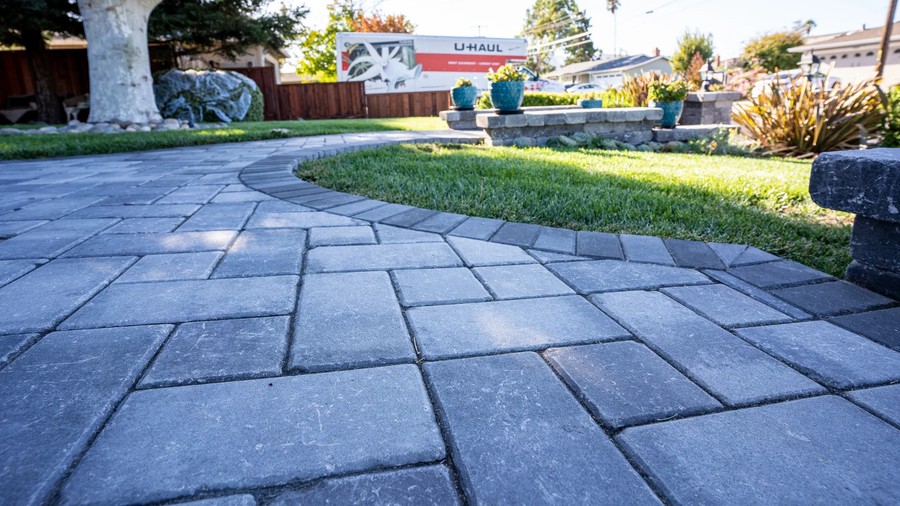
When it comes to improving curb appeal and increasing property value, many homeowners choose pavers for driveways because of their durability and stylish appearance. A paver driveway is made from individual paving stones that fit together to create a strong and attractive surface. Available in different colors, shapes, and materials, paver driveways have become a popular alternative to traditional concrete or asphalt driveways. However, before making a decision, it is important to understand the pros and cons of a paver driveway.
One of the biggest advantages of paver driveways is their visual appeal. Pavers are available in a wide range of designs, allowing homeowners to create unique patterns that match the style of their home. Whether you prefer a modern look or a classic design, pavers for driveways can easily enhance the overall appearance of your property.
Durability is another major benefit. High-quality pavers are designed to handle heavy vehicles and harsh weather conditions. Unlike plain concrete, pavers are less likely to crack because the individual stones can shift slightly with ground movement. This flexibility helps the driveway remain stable for many years. In fact, properly installed paver driveways can last for decades with minimal maintenance.
Easy repair is also a strong advantage. If one paver becomes stained or damaged, it can simply be removed and replaced without disturbing the rest of the driveway. This makes maintenance much more convenient compared to concrete or asphalt surfaces that often require large repairs.
In addition, paver driveways offer excellent drainage. The small gaps between pavers allow water to flow naturally, reducing puddles and helping prevent water buildup. Some permeable paver systems are even designed to improve environmental sustainability by allowing rainwater to soak into the ground.
Despite these benefits, there are also some disadvantages to consider. The main drawback is the higher installation cost. Paver driveways usually cost more upfront than asphalt or standard concrete driveways because of the materials and labor involved. Proper installation requires careful preparation and professional expertise to ensure long-lasting results.
Another disadvantage is maintenance. Although pavers are durable, weeds can sometimes grow between the joints if the driveway is not properly maintained. Over time, sand between the pavers may also need to be replaced to keep the structure secure and level. Regular cleaning and sealing can help maintain the driveway’s appearance and performance.
Installation time can also be longer compared to other driveway options. Since each paver is placed individually, the process requires patience and precision. Homeowners looking for a quick installation may find this inconvenient.
Overall, paver driveways are an excellent choice for homeowners who want a durable, customizable, and visually appealing driveway. While the initial investment may be higher, the long-term benefits often outweigh the costs. By understanding the pros and cons of a paver driveway, homeowners can make a smart decision that adds beauty and value to their property for years to come.